By Randy Lewis
September 30, 2026
Choosing furniture for a temporary living arrangement, changing household, office, or special situation can require a different approach than purchasing pieces outright. Before selecting a rental furniture store, it helps to understand what you expect from the furniture and how it will fit into your daily routine. The right provider should offer options that align with your space, style preferences, comfort expectations, and anticipated rental period.
Consider which rooms need to be furnished and how those spaces will be used. Someone furnishing an entire home may have different priorities than a person who only needs a bedroom set or a few pieces for a living area. Thinking about function first can make it easier to identify providers with an appropriate selection.
Furniture rental has become an established option for consumers seeking flexibility. According to Grand View Research, the U.S. furniture rental market generated a revenue of USD 8,411.1 million in 2022 and is expected to reach USD 13,207.4 million by 2030. That growth highlights the importance of carefully comparing providers rather than assuming every rental experience will offer the same choices or terms.
Comparing the Available Furniture Selection
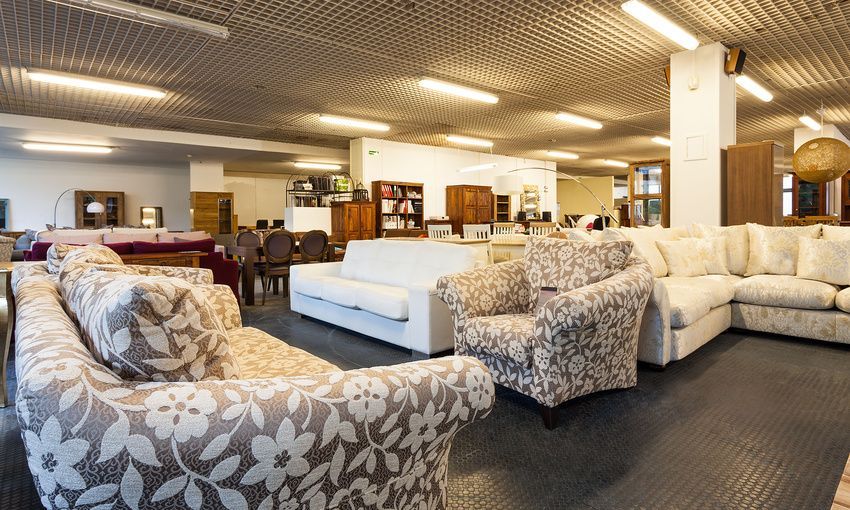
Product variety is an important consideration when evaluating a rental furniture store. A broad selection gives customers more flexibility to furnish different rooms without having to coordinate rentals through several providers. Look at whether the available inventory includes essential pieces for bedrooms, living rooms, dining areas, home offices, and other spaces relevant to your needs.
Selection involves more than simply having numerous items available. Consider whether the provider offers furniture in different styles, sizes, materials, and configurations. A household with limited floor space may need compact pieces, while a larger residence may call for more substantial furnishings. Style can also matter when multiple pieces will share the same room.
Availability should be considered as well. A large catalog is less useful when many displayed items cannot be rented within the desired timeframe. Reviewing the current selection and asking about substitutions can provide a clearer picture of what you can realistically expect.
Reviewing the Rental Terms Carefully
Before committing to a rental furniture store, examine the terms associated with the agreement. Furniture rental arrangements can differ considerably, particularly regarding rental periods, payment schedules, renewals, early returns, ownership options, and other conditions. Understanding these details before signing can help prevent unexpected obligations later.
Pay particular attention to how long you are expected to keep the furniture and what happens if your circumstances change. A temporary work assignment, relocation, lease change, or household transition may not always follow the original schedule. Flexible terms can therefore be valuable when the length of the rental is uncertain.
It is equally important to understand what happens at the end of the agreement. Depending on the arrangement, furniture may be returned, exchanged, or acquired under specified terms. Those distinctions can significantly affect the overall experience, so they should be clear before a decision is made.
Evaluating the Total Rental Costs
Cost is naturally an important factor when comparing a rental furniture store, but the advertised payment should not be the only consideration. The complete financial picture may include delivery, setup, service, late-payment policies, damage-related charges, or other fees depending on the provider and agreement.
Compare what is included in the quoted amount rather than focusing exclusively on the recurring payment. An apparently lower price may not provide the same services or flexibility as another option. Looking at the entire agreement makes it easier to compare offers on similar terms.
Your expected rental period can also influence whether an arrangement makes financial sense. Short-term needs and longer-term furnishing plans can lead to very different priorities. Understanding how the total cost develops over the intended rental period can provide a more useful basis for comparison than looking at a single payment in isolation.
Examining the Furniture Condition Closely
The condition of available pieces is another important factor when choosing a rental furniture store. Furniture should be suitable for regular household use and should arrive in the condition described by the provider. Clear expectations regarding cleanliness, appearance, and functionality can help customers feel more confident about what will enter their homes.
Ask whether items are new, previously rented, or potentially available in either condition. If previously rented pieces are offered, it can be helpful to understand how the provider inspects and prepares them before another rental. Policies concerning existing wear should also be clearly explained.
The same attention should be given to functionality. Drawers, frames, reclining mechanisms, tables, seating, and other components should operate as intended. Understanding how concerns are addressed after delivery is useful because furniture may occasionally require service or replacement during a rental period.
Considering the Delivery and Service Options
Furniture is bulky, so logistics can have a significant influence on the overall rental experience. When comparing providers, review how delivery is scheduled, what preparation is expected from the customer, and whether placement or setup is included. Clear delivery policies can make furnishing a home considerably more convenient.
The geographic service area also matters. A provider may offer attractive products but may not deliver to your residence or may apply different conditions based on location. Confirming service availability early can prevent complications after furniture has already been selected.
Customer support should extend beyond the initial delivery. Ask how the company handles questions, service concerns, exchanges, or potential problems during the agreement. A rental relationship may continue for an extended period, making responsive communication an important part of the overall service.
Checking the Provider’s Customer Reputation
Customer feedback can offer additional perspective when evaluating a rental furniture store. Reviews may reveal recurring observations about delivery experiences, furniture condition, communication, billing, and the way concerns are handled. Patterns across multiple reviews can be more informative than focusing heavily on a single positive or negative experience.
When reading feedback, look for comments related to the services that matter most to your situation. Someone primarily concerned with flexible rental terms may focus on different experiences than a customer who needs a complete home furnished within a limited timeframe.
It can also be useful to review how a company communicates its policies publicly. Clear information about products, agreements, contact methods, and services can make it easier to understand what to expect. If important details remain unclear, asking questions before entering an agreement can help eliminate uncertainty.
Considering the Flexibility of Your Options
Flexibility can distinguish one rental furniture store from another, particularly when customers are dealing with temporary or changing circumstances. A move, job assignment, household transition, or evolving space can affect furniture needs unexpectedly. Rental arrangements that accommodate reasonable changes may therefore be especially useful.
Consider whether furniture can be exchanged if a piece does not fit the room as expected or if your needs change. It is also worth determining what options exist if you need to extend the rental period or return furniture earlier than anticipated. These policies should be reviewed in advance rather than assumed.
Product flexibility matters too. Access to coordinated sets as well as individual pieces can help customers create arrangements that fit their particular spaces instead of renting items they do not need.
Choosing the Provider That Fits Your Needs
Selecting the right provider involves balancing furniture selection, condition, cost, service, agreement terms, and flexibility. No single factor should necessarily determine the decision. Instead, consider how the entire rental arrangement supports your household, timeline, budget, and expectations.
A good comparison begins with clear information. Review available products, ask questions about terms and fees, understand delivery expectations, and determine what support is available throughout the rental period. Taking these factors into account can make it easier to choose a rental furniture store that aligns with both immediate needs and possible changes ahead.
Furniture rental can provide a practical alternative when purchasing does not suit a particular situation. The value of that flexibility, however, depends heavily on choosing a provider whose products and policies match your circumstances.
Finding the Furniture That Works for You
When you are ready to explore furniture options, we at Eagle Rental Purchase can help you review available pieces and rental arrangements based on your needs. Contact us to learn more about our selection, rental terms, and service options so you can determine which furnishings are appropriate for your space.