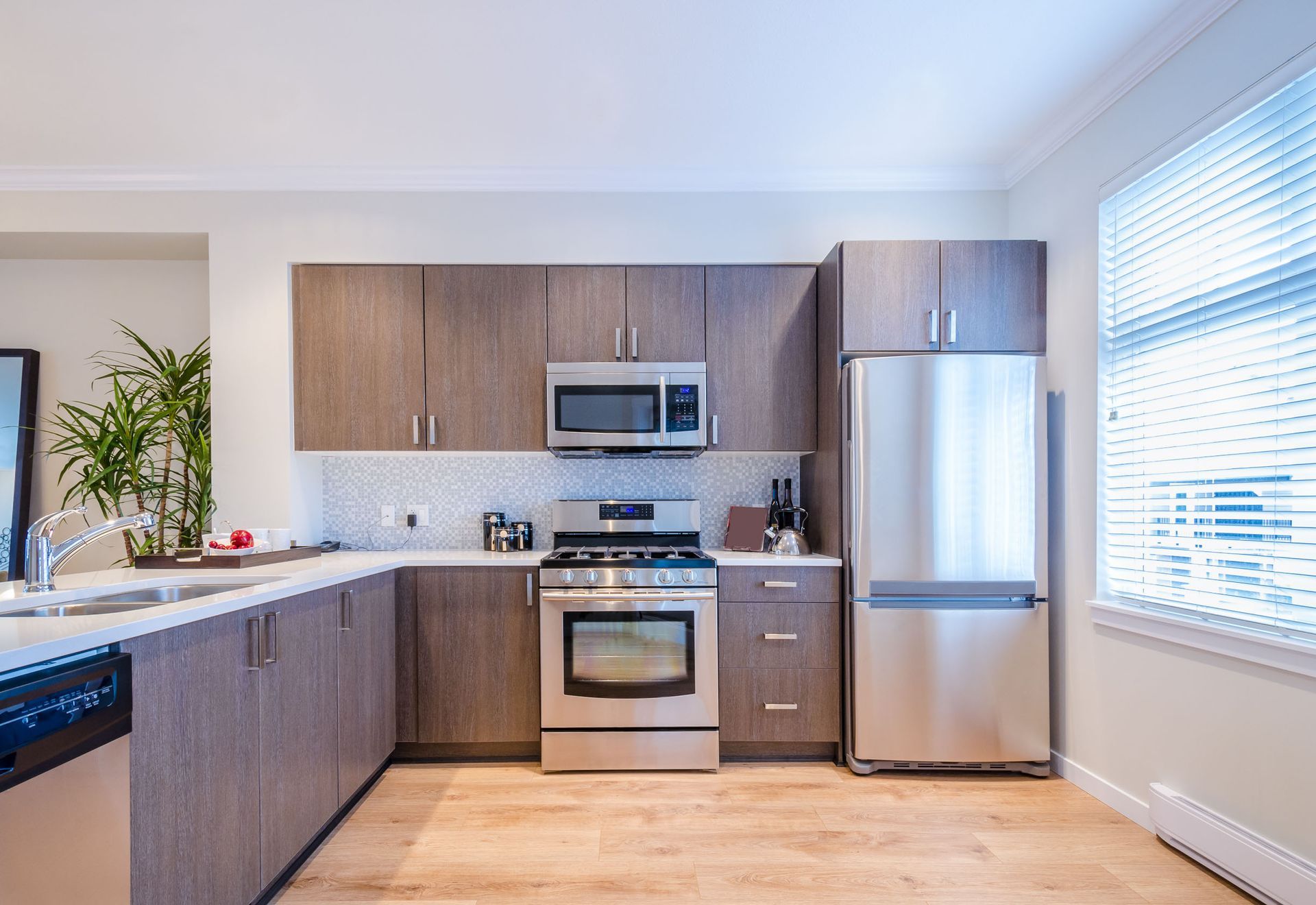
Choosing new appliances involves more than comparing colors, prices, and popular features. Every home has different dimensions, utility connections, household routines, and design priorities that influence which products will work best. A refrigerator that looks ideal online may block a walkway, while a powerful range may require ventilation or electrical upgrades. Experienced appliance dealers help homeowners evaluate these practical details before making a purchase, reducing the risk of inconvenient returns, installation delays, and equipment that does not suit the space. Their guidance turns appliance shopping into a more informed and personalized process.
Measuring Available Spaces Accurately
The first step in finding the right appliance is confirming the exact amount of available space. Width, height, and depth all matter, but those basic measurements do not tell the entire story. Doorways, hallways, staircases, countertops, cabinets, and trim can affect whether an appliance can be delivered and positioned successfully. Installers also need enough clearance to connect water lines, gas lines, electrical cords, and ventilation systems without forcing the appliance too tightly against the wall.
Professional appliance dealers can explain which measurements homeowners should take and where additional clearance may be necessary. They may ask customers to measure cabinet openings at several points because walls and floors are not always perfectly level. Refrigerator doors need room to open without striking nearby cabinets, and laundry appliances may require space for hoses and dryer vents. Careful planning helps ensure the selected product fits both the designated location and the path it must travel during delivery.
Evaluating Household Needs Carefully
Appliances should match the size, schedule, and habits of the household using them. A family that cooks every evening may need a larger range, powerful ventilation, and a dishwasher designed for frequent loads. Someone living alone may prefer compact appliances that conserve space and energy. Households that entertain regularly may value extra refrigerator capacity, warming drawers, or beverage storage, while families with young children may prioritize easy-to-clean surfaces and safety controls.
A knowledgeable salesperson can ask questions about cooking habits, laundry frequency, food storage, and preferred features before suggesting specific models. This personalized approach helps customers avoid paying for functions they are unlikely to use. It can also reveal needs that shoppers may not have considered, such as adjustable shelving, quiet operation, larger freezer compartments, or specialized wash cycles. Matching equipment to daily routines makes each appliance more convenient and useful over the long term.
Comparing Sizes and Capacities Thoroughly
Two appliances with similar exterior measurements may provide very different usable capacities. Refrigerator shelving arrangements, freezer configurations, oven rack positions, washer drum shapes, and dishwasher layouts all influence how much an appliance can hold. Shoppers should consider the types of items they regularly store or clean rather than relying only on the capacity number listed on the product label. Interior design can sometimes matter just as much as total cubic footage.
According to the EIA, approximately 85% to 90% of American households have a medium- or large-sized refrigerator. Although larger refrigerators are common, appliance dealers can help customers determine whether additional capacity is truly practical for their kitchens and lifestyles. A larger unit may store more food but could extend beyond nearby cabinets or limit walkway space. Comparing both internal organization and exterior dimensions helps homeowners choose equipment that offers useful capacity without overwhelming the room.
Reviewing Utility Requirements Closely
Every major appliance depends on specific household connections. Electric ranges may require dedicated high-voltage outlets, while gas ranges need properly installed gas lines. Dishwashers, refrigerators with ice makers, and washing machines depend on accessible water connections. Dryers may use gas or electricity and require appropriate ventilation. Selecting an appliance without verifying these requirements can lead to unexpected installation costs or prevent the product from being used immediately after delivery.
Reliable appliance dealers help customers review fuel types, outlet configurations, amperage requirements, water hookups, and ventilation needs before finalizing a purchase. They can identify when a homeowner may need to consult an electrician, plumber, or HVAC professional. This preparation is especially important when replacing an older appliance with a newer model that has different connection requirements. Confirming compatibility in advance makes delivery and installation more efficient while helping customers budget for any necessary property updates.
Coordinating Styles and Finishes Thoughtfully
Appliances occupy a large amount of visual space, particularly in kitchens and open-concept homes. Their finish, handle design, proportions, and control placement can influence the appearance of the entire room. Stainless steel remains popular, but black, white, matte, and panel-ready options may better complement certain cabinets and countertops. Even products with the same finish description can vary slightly in tone, texture, and fingerprint resistance across brands.
Customers can use showroom displays and product samples to compare finishes under realistic lighting. Appliance dealers may also help shoppers coordinate multiple appliances so handles, control panels, and exterior materials create a consistent appearance. A perfect match is not always necessary, but understanding visible differences before purchasing prevents disappointment after installation. Thoughtful coordination allows homeowners to select equipment that performs well while also supporting the style and character of the surrounding space.
Balancing Features and Budgets Wisely
Modern appliances offer an extensive range of features, including smart controls, flexible storage, steam cleaning, air frying, automatic detergent dispensing, and specialized temperature zones. These functions can add convenience, but they can also increase the purchase price. Homeowners should decide which features support their routines and which are simply attractive extras. Establishing priorities before shopping makes it easier to compare products without becoming distracted by functions that offer little practical value.
Experienced appliance dealers can present options across several price levels and explain how product differences affect performance, durability, and convenience. They may help customers decide whether investing in a quieter dishwasher, more efficient refrigerator, or larger washer is worthwhile. They can also explain available financing, rental-purchase arrangements, delivery charges, and warranty coverage. A clear understanding of the complete cost allows customers to choose appliances that meet their needs without creating unnecessary financial strain.
Considering Efficiency and Operating Costs
The purchase price is only one part of an appliance’s long-term expense. Refrigerators, freezers, water heaters, and other frequently used equipment can influence monthly utility bills for years. Energy-efficient models may cost more initially but use less electricity, gas, or water over time. Efficiency labels help shoppers compare estimated consumption, although actual savings depend on household habits, utility rates, appliance size, and how often the equipment is used.
A product specialist can explain efficiency ratings and help customers compare operating costs among similarly sized models. Homeowners should also consider whether a larger appliance will consume more energy than they need. Selecting the right capacity, using efficient settings, and maintaining the equipment properly can support lower operating expenses. Appliance dealers can help customers balance upfront affordability with long-term utility use, making it easier to select products that fit both the home and the household budget.
Planning Delivery and Installation Properly
Even the right appliance can create problems if delivery and installation are not planned carefully. Customers should confirm who will disconnect and remove the old unit, whether installation accessories are included, and how packaging will be handled. Narrow entrances, tight corners, elevators, stairs, and delicate flooring may require special preparation. Homeowners may also need to empty cabinets, secure pets, clear pathways, or arrange access to utility shutoff valves before the delivery team arrives.
Professional retailers can explain delivery procedures and identify potential obstacles before the scheduled appointment. They may recommend specific cords, hoses, stacking kits, mounting brackets, or ventilation components based on the selected model. Clear communication reduces delays and helps protect both the appliance and the property. When delivery, connection, and placement are coordinated properly, homeowners can begin using their new equipment sooner and avoid the frustration of discovering missing parts or incompatible hookups.
Finding the perfect appliance requires careful attention to measurements, capacity, household routines, utilities, style, efficiency, cost, and installation needs. Personalized guidance can help homeowners avoid products that are too large, too small, unnecessarily complicated, or incompatible with existing connections. By asking practical questions and comparing suitable options, appliance dealers make it easier to choose equipment that improves daily life and fits comfortably within the home. For helpful assistance selecting appliances that match your space, lifestyle, and budget, contact Eagle Rental Purchase.